Senior Fall Prevention – How to Make Your Home Safer
Senior Fall Prevention Tips for Safer Living at Home | Bridge Senior Care

Falls are one of the leading causes of injury among older adults, and for many seniors, a single fall can dramatically change their independence, mobility, and quality of life.
According to the CDC, millions of adults over 65 experience falls each year, often leading to:
- Broken hips
- Head injuries
- Hospitalizations
- Reduced mobility
- Fear of falling again
- Loss of independence
The good news is that many falls are preventable.
At Bridge Senior Care, we help seniors throughout Marysville and St. Clair County remain safe at home through personalized caregiving support and practical home safety strategies.
In this guide, we’ll explain the most common causes of senior falls, how families can reduce risks, and the steps you can take to create a safer living environment for your loved one.
Why Fall Prevention Matters for Seniors
As people age, several factors increase fall risk:
- Reduced muscle strength
- Poor balance
- Vision changes
- Medication side effects
- Slower reaction times
- Joint pain or arthritis
- Neurological conditions
- Cognitive decline
Even healthy seniors can become vulnerable to falls due to small environmental hazards inside the home.
For seniors who wish to age in place, fall prevention becomes one of the most important parts of maintaining long-term independence.
Common Causes of Falls at Home
Understanding what causes falls is the first step toward prevention.
Common Fall Risks Include:
- Loose rugs
- Cluttered walkways
- Poor lighting
- Slippery bathroom floors
- Stairs without railings
- Improper footwear
- Medication dizziness
- Weakness after hospitalization
- Pets underfoot
- Reaching for objects on high shelves
Many accidents happen during routine daily activities such as:
- Getting out of bed
- Using the bathroom at night
- Showering
- Climbing stairs
- Carrying laundry or groceries
10 Ways to Make a Senior’s Home Safer
1. Remove Tripping Hazards
One of the simplest ways to reduce fall risk is eliminating hazards throughout the home.
This includes:
- Removing loose rugs
- Securing electrical cords
- Clearing clutter from hallways
- Keeping pathways wide and open
- Rearranging furniture for easier movement
Bridge Senior Care caregivers often help identify hazards families may overlook.
2. Improve Lighting Throughout the Home
Poor lighting makes it difficult for seniors to detect obstacles and changes in flooring.
Important improvements include:
- Brighter overhead lights
- Nightlights in hallways and bathrooms
- Motion-sensor lighting
- Lamps near beds and chairs
- Illuminated stairways
Nighttime bathroom trips are one of the most common times falls occur.
3. Install Bathroom Safety Equipment
Bathrooms are among the highest-risk areas for falls due to slippery surfaces and limited support.
Recommended modifications include:
- Grab bars near toilets and showers
- Non-slip bath mats
- Walk-in showers
- Shower chairs
- Raised toilet seats
- Handheld showerheads
These upgrades significantly improve stability and confidence.
4. Encourage Proper Footwear
Loose slippers, socks without grip, and worn-out shoes increase slipping risks.
Seniors should wear:
- Non-slip shoes
- Supportive footwear
- Shoes with closed backs
- Properly fitted walking shoes indoors and outdoors
Avoid flip-flops or smooth-bottom slippers whenever possible.
5. Address Mobility Challenges Early
Many seniors begin limiting movement because they fear falling, but reduced activity can actually weaken muscles further.
Helpful tools may include:
- Walkers
- Canes
- Lift chairs
- Bed rails
- Transfer assistance devices
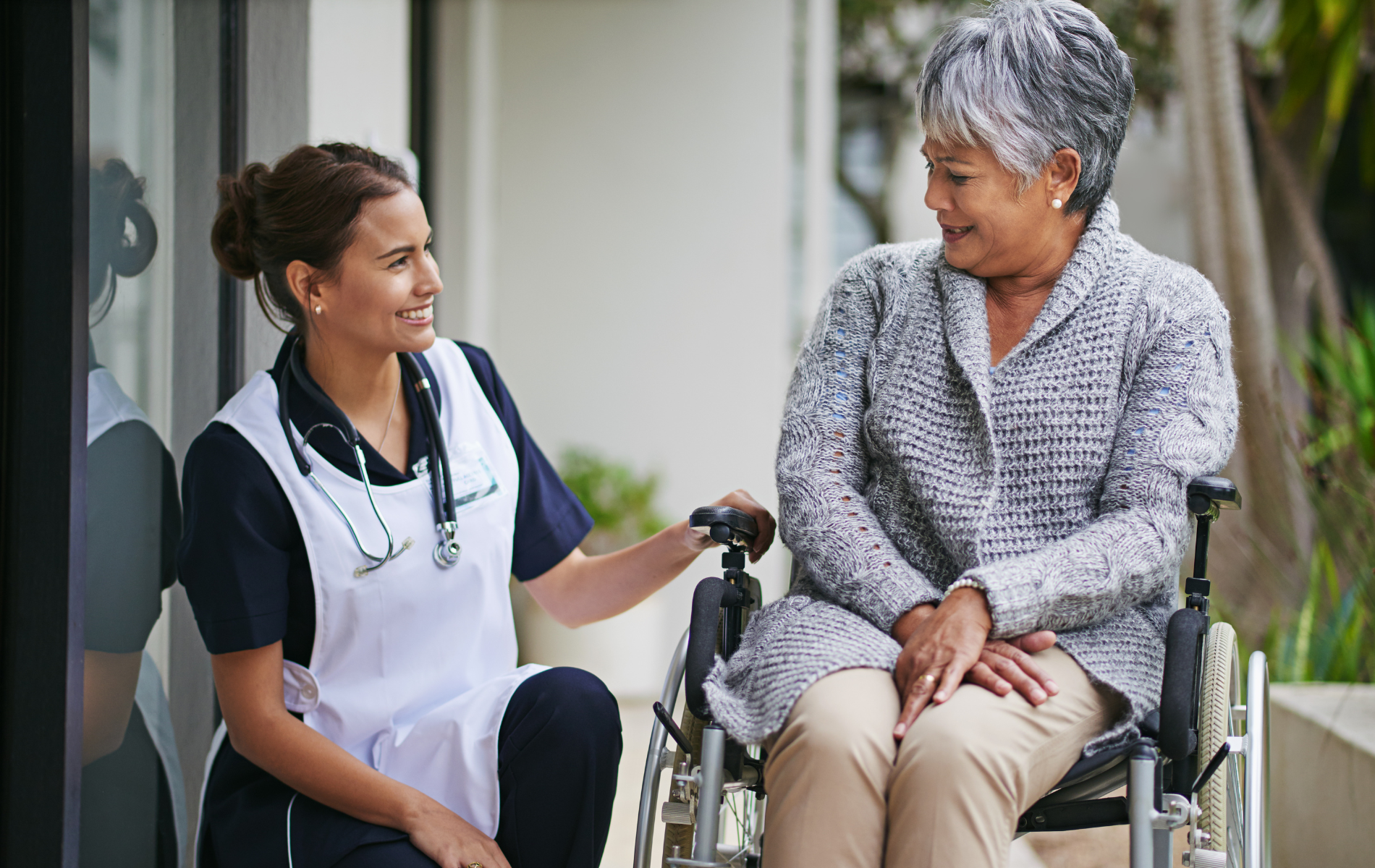
Professional caregivers can also assist with:
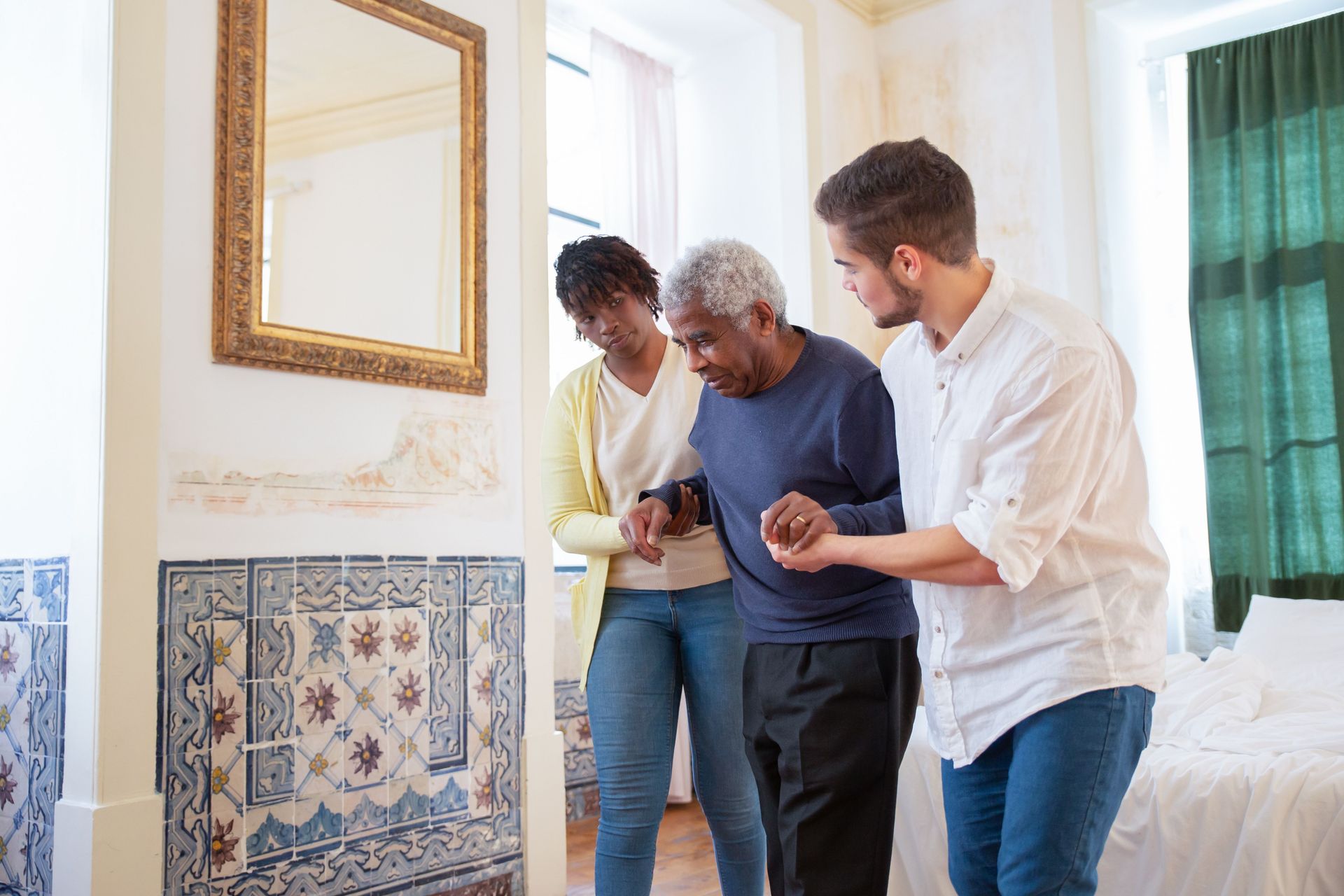
- Walking support
- Transfers
- Bathroom safety
- Fall supervision
6. Review Medications Regularly
Certain medications can increase:
- Dizziness
- Fatigue
- Confusion
- Balance problems
Families should regularly review medications with healthcare providers, especially after hospitalization or medication changes.
Bridge Senior Care caregivers can provide medication reminders and monitor for side effects or changes in condition.
7. Keep Frequently Used Items Within Reach
Reaching for high shelves or bending low increases the chance of losing balance.
Helpful adjustments include:
- Moving kitchen items to counter level
- Storing clothing in easy-access drawers
- Keeping medications nearby
- Avoiding step stools whenever possible
Reducing unnecessary climbing and bending can prevent accidents
8. Encourage Strength and Balance Activities
Exercise helps seniors maintain:
- Muscle strength
- Flexibility
- Coordination
- Stability
Simple activities may include:
- Walking
- Chair exercises
- Stretching
- Physical therapy exercises
- Balance training
Always consult a physician before starting new exercise routines.
9. Monitor Seniors After Hospitalization
Fall risks increase dramatically after:
- Surgery
- Illness
- Hospital stays
- Stroke recovery
Weakness, medication changes, and fatigue can make recovery periods especially dangerous.
Bridge Senior Care frequently provides post-hospital recovery care that includes:
- Transfer assistance
- Walking supervision
- Bathroom safety support
- Meal preparation
- Medication reminders
[Learn more about our care services –
https://www.bridgeseniorcare.com/services]
10. Arrange Professional In-Home Support
Sometimes the safest solution is additional help at home.
Professional caregivers can provide:
- Mobility assistance
- Fall supervision
- Overnight support
- Personal care
- Transportation
- Dementia supervision
Even part-time care can dramatically reduce accident risks.
Fall Prevention for Seniors with Dementia
Seniors living with Alzheimer’s or dementia face even greater fall risks due to:
- Confusion
- Wandering
- Poor judgment
- Medication challenges
- Difficulty recognizing hazards
Creating a calm, structured environment is essential.
Bridge Senior Care caregivers receive specialized dementia training to help maintain both safety and emotional comfort.
Local Example: Fall Prevention in Fort Gratiot
A family in Fort Gratiot contacted Bridge Senior Care after their father experienced two falls within three months.
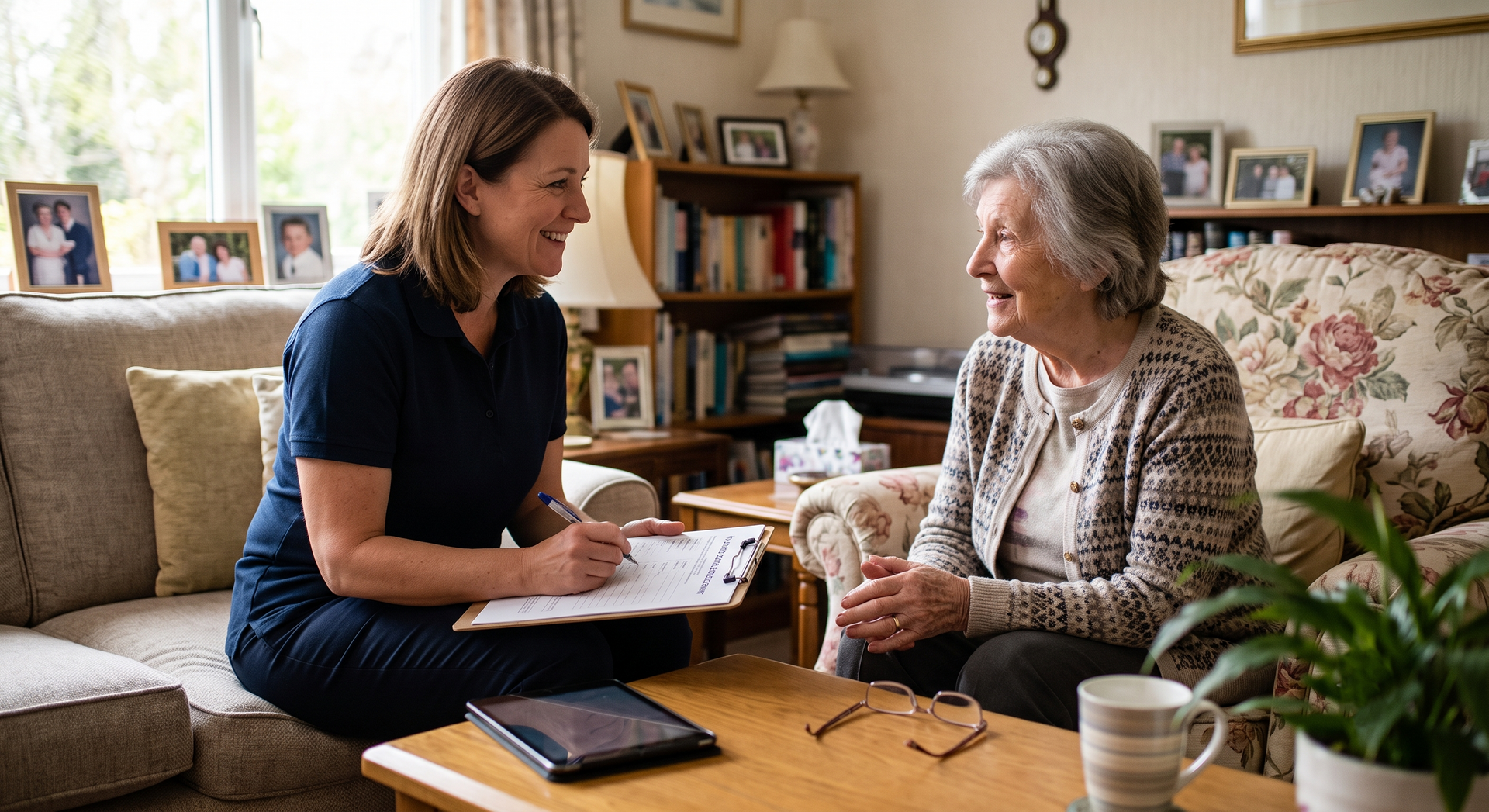
During our home assessment, we identified:
- Loose rugs in the hallway
- Poor bathroom lighting
- Difficulty transferring from bed
- Medication-related dizziness
We helped the family:
- Rearrange the home layout
- Install bathroom grab bars
- Introduce morning caregiver visits
- Provide mobility assistance and medication reminders
Since implementing these changes, the client has avoided further falls and regained confidence moving around his home.
FAQs About Senior Fall Prevention
What is the biggest cause of falls among seniors?
Falls are often caused by a combination of balance issues, muscle weakness, medication side effects, and household hazards.
Can home care reduce fall risks?
Yes. Professional caregivers provide mobility assistance, supervision, and help with daily tasks that commonly lead to falls.
Should seniors stop walking if they fear falling?
No. Staying active is important for strength and balance. Safe, supervised movement is usually encouraged.
How often should homes be reassessed for safety?
Anytime a senior’s mobility, health, or cognition changes, families should reevaluate home safety.
Do you offer home safety evaluations?
Yes. Bridge Senior Care provides in-home assessments to help identify risks and recommend solutions.
Helping Seniors Stay Safe and Independent
Falls are not an inevitable part of aging. With the right precautions, support, and planning, many seniors can continue living safely and confidently at home for years to come.
Bridge Senior Care proudly helps families throughout Marysville and St. Clair County create safer home environments and personalized care plans designed to protect independence and quality of life.
Call (810) 364-3200 to schedule a free in-home consultation
Serving Marysville, Port Huron, and all of St. Clair County
Available 24/7 | Preferred call hours: 8 AM – 5 PM
[Request a Free Consultation –
https://www.bridgeseniorcare.com/contact]