
How Companion Care Helps Seniors with Depression and Isolation

As seniors age, physical health challenges often receive the most attention—but emotional health is just as important. Many older adults struggle quietly with loneliness, isolation, and depression, especially after retirement, the loss of a spouse, reduced mobility, or declining health.
Unfortunately, social isolation among seniors is far more serious than many families realize. Studies have linked chronic loneliness to:
- Increased risk of dementia
- Depression and anxiety
- Heart disease
- Weakened immune systems
- Higher hospitalization rates
- Faster cognitive decline
For many seniors in Marysville and throughout St. Clair County, companion care provides an important solution.
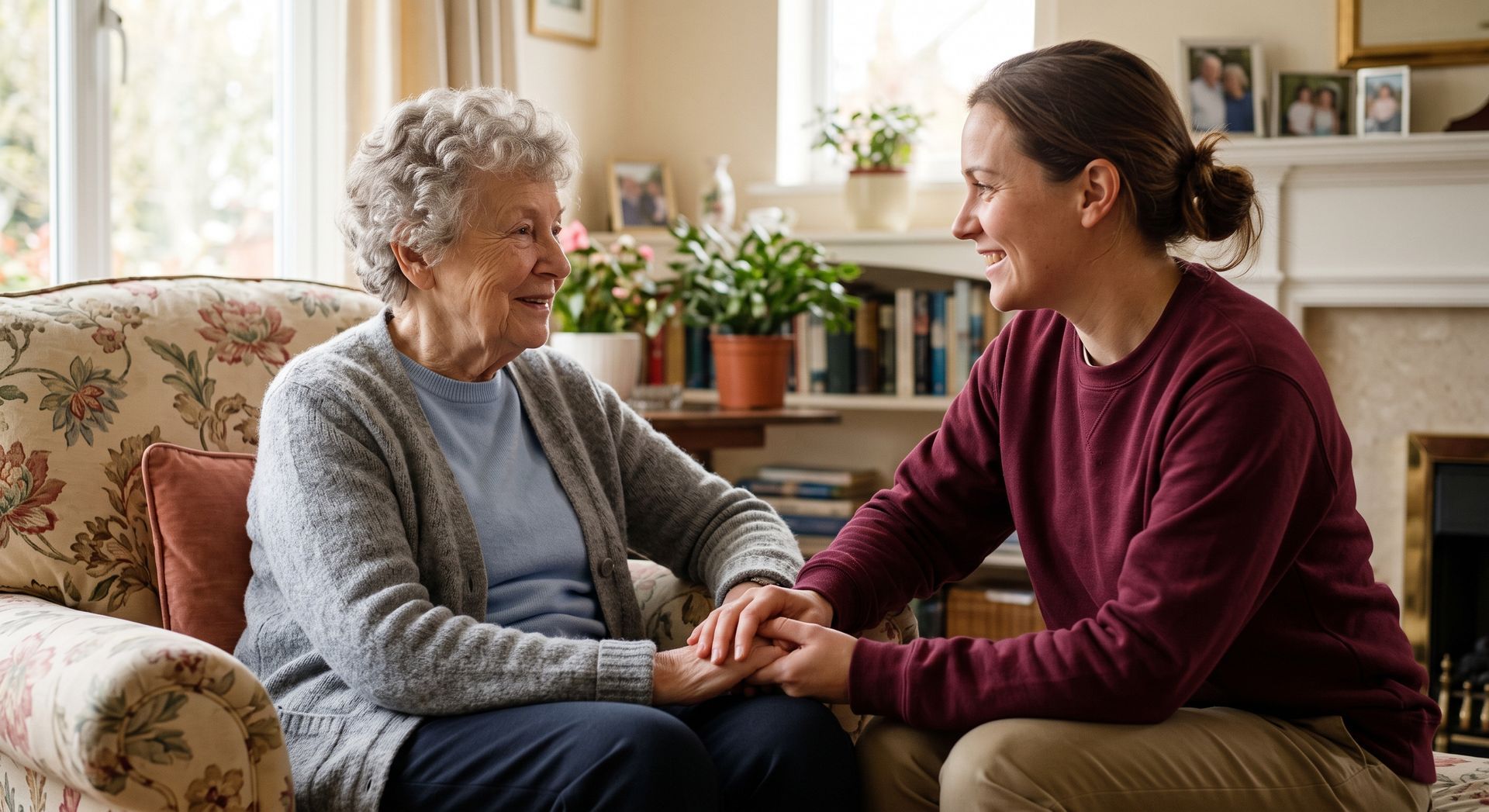
At Bridge Senior Care, companion care is about more than simply “checking in.” It’s about creating meaningful human connection, emotional support, and daily engagement that improves quality of life while helping seniors remain independent at home.
In this guide, we’ll explain how companion care works, why it matters, and how families can recognize when a loved one may benefit from additional social support.
What Is Companion Care?
Companion care is a non-medical home care service focused on:
- Social interaction
- Emotional support
- Supervision
- Daily engagement
- Assistance with routine activities
Unlike personal care services, companion care typically does not involve hands-on bathing or toileting assistance. Instead, caregivers help seniors stay mentally, emotionally, and socially active.
Companion caregivers often assist with:
- Conversation and socialization
- Meal preparation
- Transportation
- Grocery shopping
- Light housekeeping
- Medication reminders
- Hobbies and activities
- Walking or exercise companionship
- Safety supervision
[Learn more about our services – https://www.bridgeseniorcaremi.com/services]
Why Senior Isolation Is a Growing Concern
As seniors age, social circles often shrink.
Common causes of isolation include:
- Retirement
- Loss of friends or spouse
- Driving limitations
- Mobility problems
- Hearing or vision loss
- Chronic illness
- Family living far away
- Dementia or cognitive decline
Many older adults spend long periods alone without regular interaction, which can gradually affect both mental and physical health.
According to the National Institute on Aging, prolonged isolation may increase the risk of serious health complications comparable to smoking or obesity.
Signs a Senior May Be Struggling with Loneliness
Families should watch for warning signs such as:
- Withdrawal from social activities
- Increased sleeping
- Lack of interest in hobbies
- Poor appetite
- Neglected housekeeping
- Mood changes or irritability
- Anxiety or sadness
- Frequent calls expressing boredom or worry
- Memory decline
- Refusing to leave the home
Sometimes seniors won’t openly admit they’re lonely, making subtle behavioral changes important to notice.
How Companion Care Improves Emotional Health
1. Regular Human Interaction
Consistent social connection helps seniors feel:
- Valued
- Heard
- Included
- Emotionally supported
Simple conversations, shared meals, or walks together can dramatically improve mood and reduce feelings of loneliness.
Many seniors begin looking forward to caregiver visits as a highlight of their day.
2. Encouragement to Stay Active
Isolation often causes seniors to become inactive, which can worsen both physical and mental health.
Companion caregivers encourage:
- Walking
- Hobbies
- Games and puzzles
- Gardening
- Community activities
- Mental stimulation
Staying active helps preserve mobility, cognition, and emotional well-being.
3. Reduced Anxiety and Depression
Having a trusted caregiver nearby can ease fears related to:
- Living alone
- Falling
- Forgetting medications
- Emergencies
- Transportation challenges
Seniors often feel more confident and secure knowing someone regularly checks in on them.
4. Support for Family Caregivers
Companion care doesn’t only benefit seniors—it also helps families.
Adult children often struggle balancing:
- Careers
- Parenting
- Household responsibilities
- Caregiving duties
Companion care provides peace of mind while reducing caregiver stress and burnout.
Companion Care and Dementia Support
Seniors with Alzheimer’s or dementia are especially vulnerable to:
- Isolation
- Anxiety
- Agitation
- Depression
Companion caregivers provide:
- Calm routines
- Memory-focused activities
- Conversation and reassurance
- Supervision
- Redirection during confusion
Familiar interaction and structured companionship can reduce distress and improve emotional stability.
Bridge Senior Care caregivers receive dementia-specific training to support seniors at all stages of memory loss.
Activities Companion Caregivers Often Provide
Companion visits may include:
- Playing cards or board games
- Looking through family photos
- Listening to music
- Attending church services
- Going for walks
- Cooking favorite meals together
- Watching movies
- Visiting local parks or community centers
- Reading books or newspapers aloud
These activities help seniors maintain a sense of purpose and routine.
Local Example: Companion Care in Marysville
A widowed senior in Marysville began withdrawing socially after losing her husband of 52 years. Her daughter noticed:
- Missed meals
- Increased sleeping
- Lack of interest in hobbies
- Growing anxiety about being alone
Bridge Senior Care arranged companion visits three afternoons each week.
The caregiver helped with:
- Meal preparation
- Grocery trips
- Card games
- Light housekeeping
- Conversation and emotional support
Within weeks, the client became more engaged, energetic, and socially active again. Her daughter later shared that the visits “gave her mother something to look forward to again.”
When Families Should Consider Companion Care
Families should consider companion care when a loved one:
- Lives alone
- Has become isolated
- Seems depressed or withdrawn
- Has stopped participating in activities
- Needs transportation help
- Shows early cognitive decline
- Has lost confidence leaving the home
- Needs light supervision
Early support often helps seniors remain independent much longer.
Why Families in St. Clair County Choose Bridge Senior Care
Families trust Bridge Senior Care because we provide:
- Compassionate caregiver matching
- Flexible scheduling
- Locally based caregivers
- Dementia-trained staff
- Companion and personal care options
- 24/7 care availability
- Personalized care plans
We focus on building real relationships that improve emotional well-being and quality of life.
FAQs About Companion Care
How often can companion caregivers visit?
Visits can range from a few hours per week to daily support depending on needs and preferences.
Does companion care include transportation?
Yes. Caregivers can assist with errands, appointments, grocery shopping, and community outings.
Is companion care covered by long-term care insurance?
Many long-term care insurance policies help cover companion care services.
Can companion care transition into personal care later?
Absolutely. Many clients begin with companion care and gradually increase support over time.
Does companion care help seniors with dementia?
Yes. Structured social interaction and supervision can greatly benefit seniors with memory loss.
Helping Seniors Feel Connected Again
Loneliness can quietly affect every part of a senior’s health and happiness. Companion care provides more than assistance—it provides connection, routine, encouragement, and emotional support that helps seniors feel engaged in life again.
Bridge Senior Care proudly serves seniors throughout Marysville and St. Clair County with compassionate companion care designed to support both emotional well-being and independent living.
Call (810) 364-3200 to learn more about companion care services
Serving Marysville, Port Huron, and all of St. Clair County
Available 24/7 | Preferred call hours: 8 AM – 5 PM
[Request a Free Consultation – https://www.bridgeseniorcaremi.com/contact]
Recent Posts