
How Family Caregivers Can Avoid Burnout While Caring for Aging Parents
How Family Caregivers Can Prevent Burnout While Caring for Aging Parents

Caring for an aging parent can be rewarding, meaningful, and deeply personal. But it can also become emotionally, mentally, and physically exhausting—especially when caregiving responsibilities increase over time.
Many family caregivers in Marysville and throughout St. Clair County spend months or even years helping loved ones with:
- Transportation
- Meal preparation
- Medication reminders
- Bathing and dressing
- Dementia supervision
- Financial responsibilities
- Household tasks
Eventually, many caregivers begin neglecting their own health, relationships, careers, and emotional well-being. This is known as caregiver burnout, and it’s more common than most families realize.
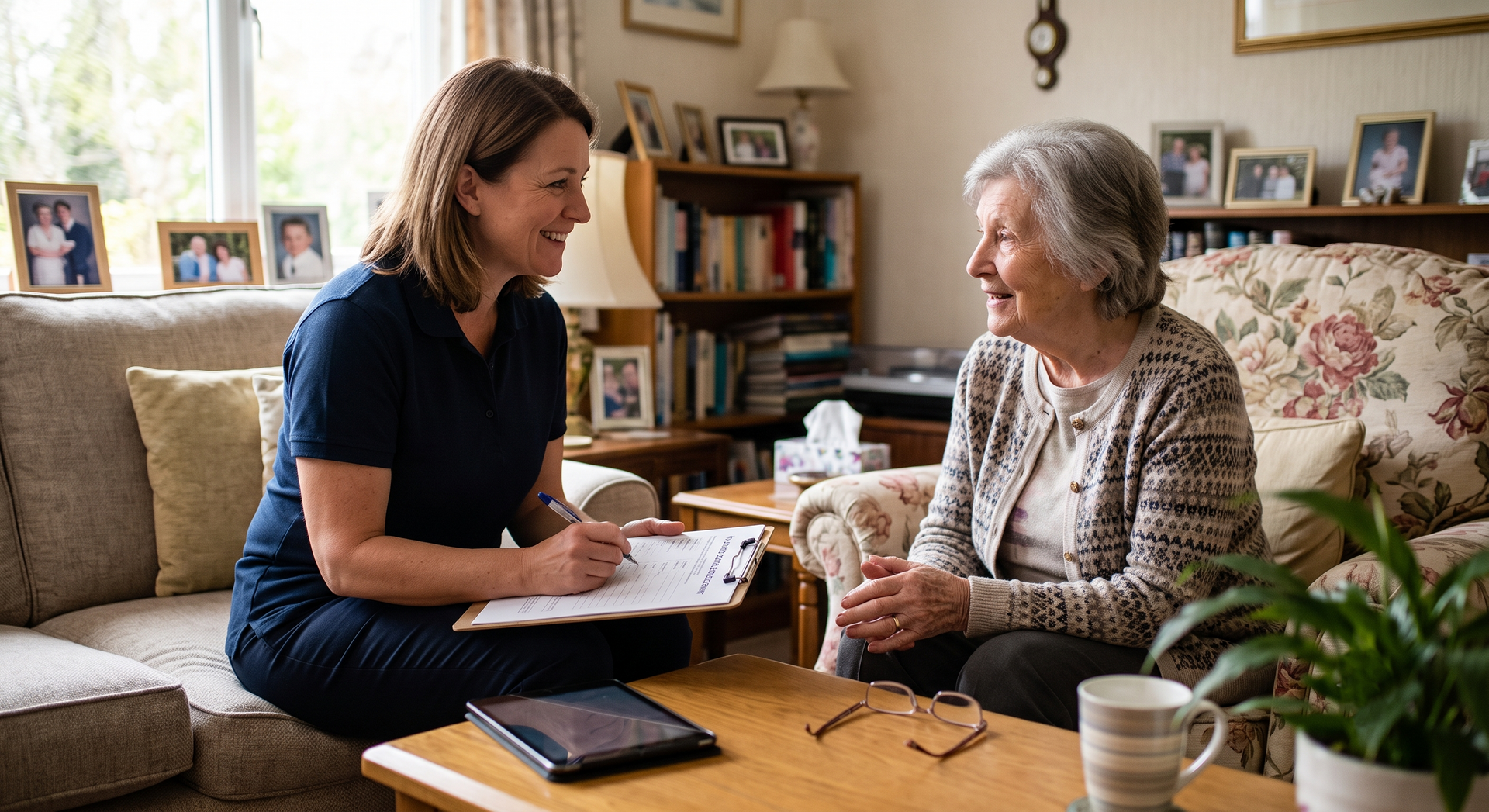
At Bridge Senior Care, we work with families every day who are trying to balance caregiving with work, parenting, marriage, and personal health. In this guide, we’ll explain the signs of burnout, why it happens, and how families can create healthier, more sustainable caregiving routines.
What Is Caregiver Burnout?
Caregiver burnout is a state of physical, emotional, and mental exhaustion caused by the ongoing stress of caring for another person.
It often develops gradually. Many caregivers don’t realize how overwhelmed they’ve become until they begin experiencing serious fatigue, anxiety, depression, or health issues of their own.
Burnout is especially common among adult children caring for parents with:
- Alzheimer’s or dementia
- Mobility limitations
- Chronic illness
- Stroke recovery needs
- Parkinson’s disease
- Long-term disability
Without support, caregiving can quickly become overwhelming.
Common Signs of Caregiver Burnout
Recognizing the warning signs early is critical.
Emotional Symptoms
- Feeling constantly overwhelmed
- Irritability or frustration
- Anxiety or depression
- Feeling emotionally numb
- Resentment toward caregiving responsibilities
- Loss of patience
Physical Symptoms
- Chronic fatigue
- Frequent headaches
- Trouble sleeping
- Weight changes
- Increased illness or lowered immunity
Behavioral Symptoms
- Withdrawing from friends or activities
- Missing work responsibilities
- Neglecting personal health appointments
- Increased alcohol or unhealthy coping habits
- Feeling guilty when taking breaks
If these symptoms sound familiar, it may be time to seek additional support.
Why Family Caregivers Burn Out
Many caregivers feel pressure to “do it all” themselves.
Common reasons burnout occurs include:
- Trying to balance caregiving with full-time work
- Caring for children and aging parents simultaneously
- Lack of support from siblings or family
- Financial stress
- Sleep deprivation
- Feeling isolated
- Managing dementia-related behaviors
Over time, caregiving without support becomes unsustainable.
The Hidden Impact of Caregiver Stress
Caregiver burnout affects more than emotions. Studies show prolonged caregiving stress can increase the risk of:
- High blood pressure
- Depression
- Anxiety disorders
- Heart disease
- Weakened immune system
- Memory problems
- Chronic exhaustion
When caregivers become overwhelmed, the quality of care often declines as well.
That’s why protecting the caregiver is also protecting the senior.
8 Ways Family Caregivers Can Prevent Burnout
1. Accept Help Early
One of the biggest mistakes families make is waiting until they’re already overwhelmed before asking for help.
Even a few hours of professional support each week can make a major difference.
Bridge Senior Care offers flexible schedules including:
- Companion care
- Personal care assistance
- Overnight supervision
- Respite care
- 24-hour care
[Learn about our care services – https://www.bridgeseniorcaremi.com/services]
2. Set Realistic Expectations
No caregiver can do everything perfectly.
Aging and illness are unpredictable, and some challenges are simply beyond your control. Give yourself permission to be human.
3. Schedule Regular Breaks
Caregivers need time away to:
- Rest
- Exercise
- Attend appointments
- Spend time with family
- Recharge emotionally
Respite care allows caregivers to step away while knowing their loved one is still safe and supported.
4. Build a Support Network
Don’t try to manage caregiving alone.
Support can come from:
- Siblings
- Friends
- Church groups
- Caregiver support groups
- Professional home care providers
Many caregivers feel relief simply by talking to others who understand what they’re experiencing.
5. Prioritize Sleep and Nutrition
Many caregivers sacrifice their own health while focusing entirely on their loved one.
But poor sleep, skipped meals, and chronic stress quickly lead to exhaustion.
Simple improvements matter:
- Eat regular meals
- Stay hydrated
- Get enough sleep
- Take walks or exercise
- Schedule doctor appointments for yourself
6. Learn About Dementia and Aging
Understanding your loved one’s condition can reduce frustration and improve communication.
Families caring for someone with Alzheimer’s or dementia often experience burnout faster due to:
- Wandering
- Repetition
- Aggression
- Sleep disruption
- Sundowning behaviors
Bridge Senior Care caregivers receive specialized dementia training to help families manage these challenges.
7. Divide Responsibilities
If multiple family members are involved, divide tasks clearly.
For example:
- One sibling manages finances
- Another handles medical appointments
- Another coordinates caregiving schedules
Sharing responsibilities reduces resentment and prevents one person from carrying the entire burden.
8. Know When Professional Care Is Necessary
Sometimes caregiving demands become too great for family members alone.
Signs professional support may be needed include:
- Frequent falls
- Incontinence care needs
- Aggressive dementia behaviors
- Night wandering
- Missed medications
- Caregiver exhaustion
Seeking help is not failure—it’s responsible planning.
How Home Care Helps Prevent Caregiver Burnout
Professional home care provides families with:
- Reliable support
- Flexible schedules
- Trained caregivers
- Overnight coverage
- Personal care assistance
- Dementia support
- Peace of mind
Even part-time care can dramatically reduce caregiver stress.
Many families begin with:
- 4-hour visits
- Weekend coverage
- Overnight care
- Post-hospital recovery assistance
Care plans can increase gradually as needs change.
Local Example: Family Relief in St. Clair County
A daughter in Marine City spent nearly two years caring for her father after his dementia diagnosis. She managed medications, meals, appointments, and overnight supervision while working full time.
Eventually, she developed:
- Severe fatigue
- Anxiety
- Sleep problems
- Difficulty managing work responsibilities
Bridge Senior Care stepped in with:
- Daily companion care
- Evening supervision
- Medication reminders
- Respite visits on weekends
Within weeks, the family noticed improvements not only in the father’s well-being—but also in the daughter’s physical and emotional health.
FAQs About Caregiver Burnout
Is caregiver burnout common?
Yes. Millions of family caregivers experience burnout symptoms, especially those caring for parents with dementia or chronic illness.
What is respite care?
Respite care provides temporary relief for family caregivers by allowing professional caregivers to step in for short periods.
How many hours of help should families start with?
Many families begin with just a few visits per week and increase support gradually.
Can long-term care insurance cover respite care?
In many cases, yes. Policies often cover in-home care services that support aging in place.
How quickly can home care begin?
Bridge Senior Care can often start services within 24–48 hours after consultation.
You Don’t Have to Do This Alone
Caring for a parent is one of the most compassionate things a person can do—but no one should have to carry the responsibility alone.
Bridge Senior Care helps families throughout Marysville and St. Clair County create sustainable caregiving plans that protect both seniors and the people who love them.
Whether you need occasional respite care or ongoing daily support, our team is here to help.
Call (810) 364-3200 to speak with our care coordination team
Serving Marysville, Port Huron, and all of St. Clair County
Available 24/7 | Preferred call hours: 8 AM – 5 PM
[Schedule a Free Care Consultation – https://www.bridgeseniorcaremi.com/contact]