

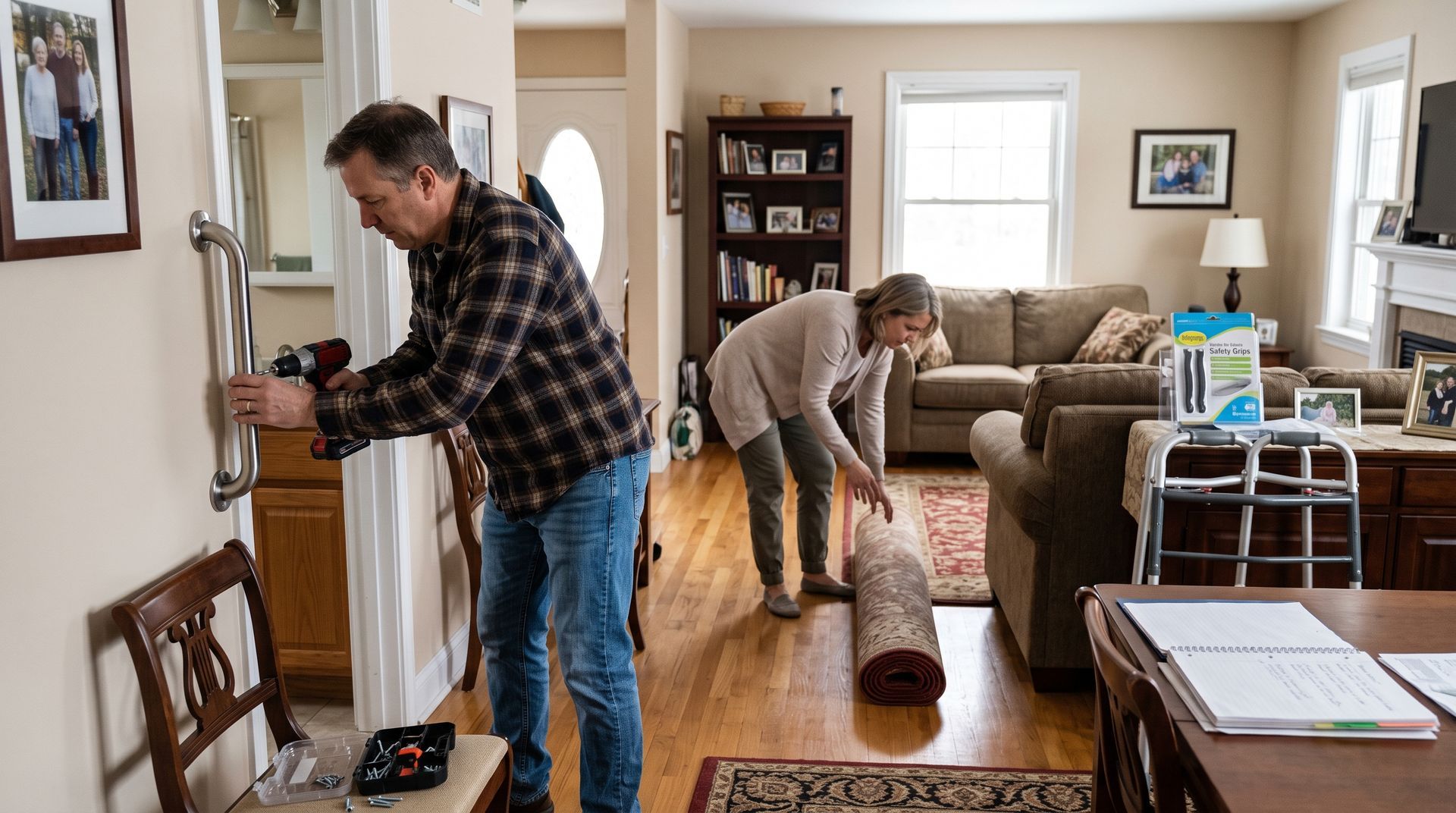
Planning Long-Term Care for Aging Parents: A Michigan Family’s Guide
A Michigan Family’s Guide to Planning Long-Term Care for Aging Parents

Planning long-term care for an aging parent is one of the most important decisions a family can make. While many people assume long-term care planning begins when a health crisis occurs, the reality is that the best outcomes happen when families prepare before an emergency arises. Whether your loved one is currently healthy and independent or beginning to need assistance with daily activities, having a plan in place can reduce stress, protect finances, and ensure they receive the care they deserve.
For families throughout Marysville, Port Huron, St. Clair, Fort Gratiot, and the surrounding St. Clair County area, understanding available care options is essential. Many seniors prefer to remain in the comfort of their own homes for as long as possible, making private home care an increasingly popular solution.
This guide explains the key steps involved in long-term care planning, common challenges families face, and how professional home care services can help seniors maintain independence while receiving the support they need.
Why Long-Term Care Planning Matters
Many families delay conversations about aging because they can be uncomfortable. Unfortunately, waiting until a crisis occurs often limits available options and creates additional stress.
Long-term care planning helps families:
- Prepare for future healthcare needs
- Understand care costs and funding options
- Reduce family conflict and uncertainty
- Protect assets and financial resources
- Ensure seniors receive care that aligns with their wishes
- Avoid rushed decisions during emergencies
According to the U.S. Department of Health and Human Services, many adults will require some form of long-term care during their lifetime. The earlier families begin planning, the more control they have over future care decisions.
What Is Long-Term Care?
Long-term care refers to ongoing assistance that helps individuals manage daily activities when they can no longer do so independently.
These activities, often called Activities of Daily Living (ADLs), include:
- Bathing
- Dressing
- Grooming
- Mobility assistance
- Toileting
- Eating
- Medication management
Long-term care can also include support with:
- Transportation
- Meal preparation
- Housekeeping
- Companionship
- Memory care
- Chronic condition management
Contrary to popular belief, long-term care is not limited to nursing homes. Today, many seniors receive personalized support in their own homes through private home care services.
Signs Your Parent May Need Long-Term Care Planning
Many seniors value their independence and may not openly discuss struggles they are experiencing. Family members should watch for warning signs that additional support may be needed.
Physical Changes
- Frequent falls or near-falls
- Difficulty walking safely
- Unexplained bruises
- Weight loss
- Poor hygiene
Cognitive Changes
- Forgetting medications
- Confusion about dates or appointments
- Repeating conversations
- Difficulty managing finances
Household Changes
- Unopened mail piling up
- Spoiled food in the refrigerator
- Missed bill payments
- Declining home cleanliness
Emotional Changes
- Social withdrawal
- Increased anxiety
- Depression
- Loneliness
Recognizing these signs early can help families create a care plan before a serious incident occurs.
Understanding Long-Term Care Options in Michigan
Families in Michigan have several care options available depending on their loved one's needs and preferences.
Independent Living
Independent living communities are designed for active seniors who require little to no assistance but want a maintenance-free lifestyle and social opportunities.
Assisted Living
Assisted living facilities provide housing, meals, and assistance with daily activities. This option may be appropriate for seniors who need regular support but do not require skilled nursing care.
Nursing Homes
Nursing homes offer around-the-clock medical supervision and care for individuals with significant health needs.
Memory Care Communities
Memory care facilities specialize in supporting individuals living with Alzheimer's disease or other forms of dementia.
Private Home Care
Private home care allows seniors to remain safely at home while receiving personalized assistance. Services can range from a few hours each week to 24-hour support.
For many families in St. Clair County, home care offers the ideal balance between independence and safety.
Why More Families Are Choosing Home Care
Most seniors would prefer to age in place rather than move into a facility. Remaining at home provides familiarity, comfort, and emotional stability.
Benefits of private home care include:
Personalized Care
Every client receives a customized care plan tailored to their needs and preferences.
Flexible Scheduling
Care can be scheduled for:
- A few hours per week
- Daily visits
- Overnight care
- 24/7 assistance
Greater Independence
Seniors maintain control over their routines, environment, and lifestyle.
Family Involvement
Loved ones remain actively involved in care decisions and daily support.
One-on-One Attention
Unlike facility settings, caregivers focus exclusively on the individual receiving care.
At Bridge Senior Care, families throughout St. Clair County rely on our team to provide compassionate, professional support that helps seniors remain safe and comfortable at home.
Understanding Long-Term Care Costs
One of the most important aspects of planning is understanding potential costs.
Long-term care expenses vary based on:
- Type of care required
- Frequency of services
- Geographic location
- Health conditions
- Level of supervision needed
While facility care often involves significant monthly expenses, private home care allows families to pay only for the services they need.
Many families discover that home care can be a cost-effective alternative when compared to assisted living or nursing home placement.
Does Insurance Cover Long-Term Care?
Coverage depends on the specific insurance policy and care needs.
Medicare
Many families are surprised to learn that Medicare generally does not cover ongoing custodial care, including assistance with bathing, dressing, and companionship.
Long-Term Care Insurance
Some long-term care insurance policies help cover private home care services.
Bridge Senior Care works with certain long-term care insurance providers and can help families understand available benefits.
Private Pay
Many clients choose private pay arrangements that provide flexibility and personalized care options.
Before making decisions, families should review all insurance policies and discuss benefits with their provider.
Creating a Long-Term Care Plan
Developing a comprehensive plan helps families feel more prepared for future changes.
Step 1: Assess Current Needs
Evaluate your parent's:
- Physical health
- Cognitive health
- Mobility
- Safety concerns
- Social needs
Step 2: Discuss Preferences
Ask important questions such as:
- Do they want to remain at home?
- Who should make healthcare decisions if needed?
- What concerns do they have about aging?
Step 3: Review Financial Resources
Consider:
- Savings
- Retirement income
- Insurance benefits
- Home equity
- Veterans benefits if applicable
Step 4: Build a Support Team
This may include:
- Family members
- Physicians
- Attorneys
- Financial advisors
- Home care professionals
Step 5: Revisit the Plan Regularly
Care needs often change over time. Review the plan annually or after major health events.
Supporting Family Caregivers
Many adult children initially provide care themselves. While this can be rewarding, caregiving often becomes physically and emotionally demanding.
Common caregiver challenges include:
- Burnout
- Stress
- Sleep deprivation
- Missed work
- Health issues
Professional home care can provide relief while ensuring seniors continue receiving quality support.
Even a few hours of assistance each week can significantly improve a caregiver's quality of life.
Frequently Asked Questions
How early should I begin long-term care planning?
Ideally, families should begin discussions before significant health issues arise. Early planning provides more options and reduces stress during emergencies.
Can my parent receive long-term care without moving into a facility?
Yes. Many seniors receive private home care services that allow them to remain safely and comfortably in their own homes.
Does Medicare pay for long-term home care?
Generally, Medicare does not cover ongoing custodial care such as bathing assistance, meal preparation, and companionship.
What if my parent has Alzheimer's disease?
Professional caregivers can provide specialized dementia and Alzheimer's support while helping maintain routines and safety at home.
Is home care available 24 hours a day?
Yes. Bridge Senior Care offers flexible scheduling, including overnight and 24/7 care services throughout St. Clair County.
Why Families Trust Bridge Senior Care
Since 2016, Bridge Senior Care has proudly served families throughout St. Clair County with compassionate, reliable home care services.
Our licensed and insured caregivers provide:
- Personal care assistance
- Medication reminders
- Companionship
- Alzheimer's and dementia support
- Post-hospital recovery care
- Long-term care planning assistance
- 24/7 home care availability
As a family-owned and operated company, we understand the challenges families face when planning care for aging loved ones. Our goal is to provide personalized solutions that help seniors maintain independence while giving families peace of mind.
Contact Bridge Senior Care Today
If you're beginning the long-term care planning process for a parent or loved one, Bridge Senior Care is here to help.
Our experienced team can answer your questions, assess your family's needs, and create a customized care plan that supports safety, comfort, and independence.
Bridge Senior Care
2218 River Road
Marysville, MI 48040
Phone: (810) 364-3200
Hours: Available 24/7 (calls preferred between 8 AM – 5 PM)
Serving Marysville, Port Huron, St. Clair, Fort Gratiot, and surrounding communities throughout St. Clair County.