Caring for a loved one with Alzheimer’s disease at home is an act of love—and a serious responsibility. The emotional, physical, and mental challenges can be overwhelming for families, especially as the disease progresses.
At Bridge Senior Care, we support families across Marysville and St. Clair County, MI, providing expert in-home Alzheimer’s care. But even with professional help, there are everyday strategies that can reduce stress, improve safety, and enhance quality of life for both the caregiver and the person living with dementia.
Here are 7 essential tips to help you care for a loved one with Alzheimer’s at home.
1. Create a Consistent Daily Routine
People with Alzheimer’s do best with structured, predictable routines. Repeating the same wake-up times, meals, activities, and bedtime each day helps reduce anxiety and confusion.
Practical ways to do this:
- Use a large-print daily schedule
- Serve meals at the same time
- Keep furniture and household items in the same place
- Avoid changes in lighting or layout
Bridge Senior Care caregivers help reinforce familiar routines, especially for clients in early to mid-stage Alzheimer’s.
2. Simplify Communication
Alzheimer’s affects language processing and memory, so communicating clearly becomes more important over time.
Tips for better communication:
- Speak slowly and calmly
- Use short, simple sentences
- Maintain eye contact
- Ask yes-or-no questions
- Allow extra time for responses
Avoid arguing or correcting. Instead, redirect and reassure.
3. Ensure Home Safety
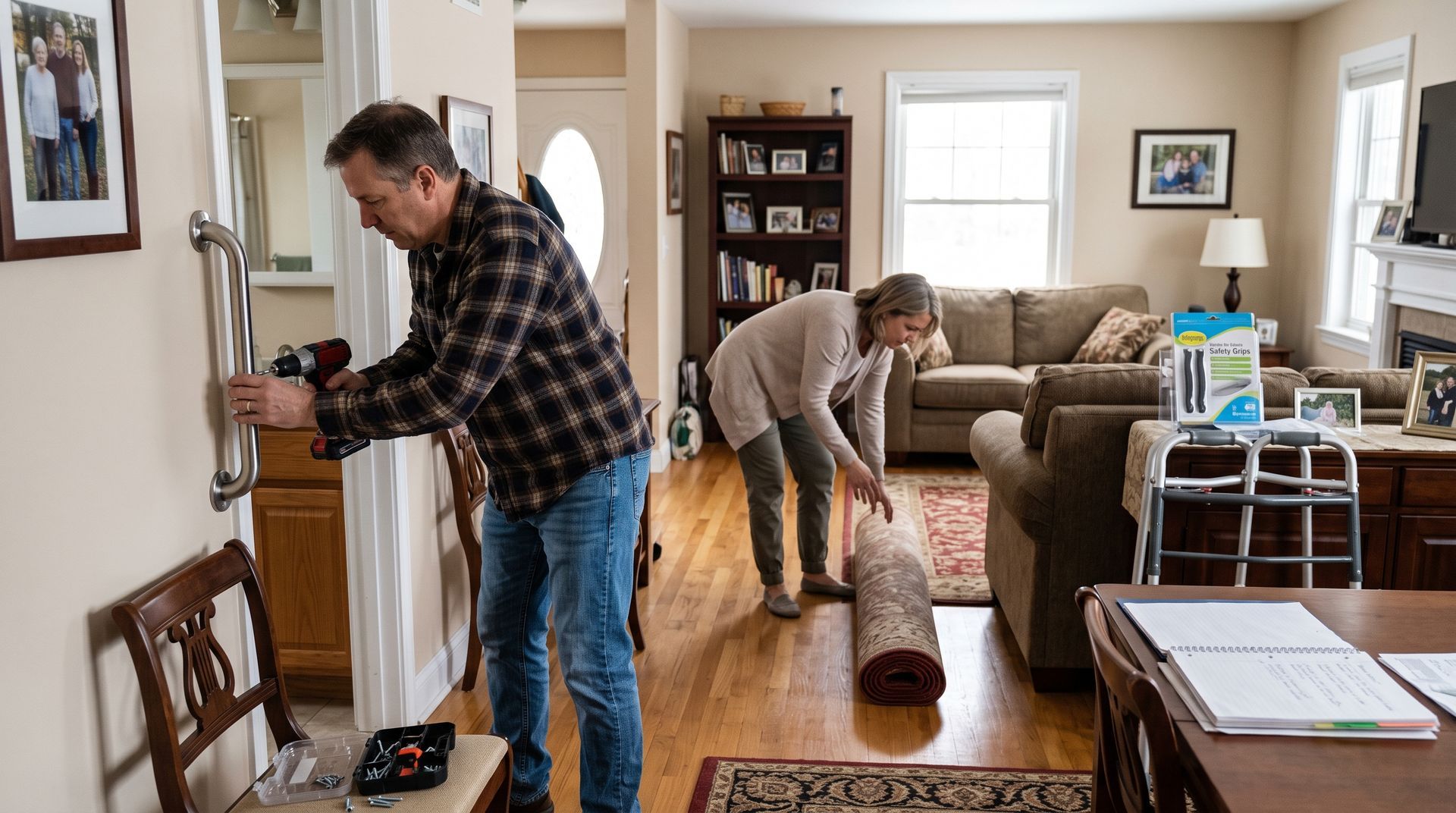
Alzheimer’s can increase the risk of falls, wandering, and accidents, especially in familiar environments that no longer feel familiar to the individual.
Home safety checklist:
- Install grab bars in bathrooms
- Use nightlights in hallways and bedrooms
- Remove loose rugs and tripping hazards
- Lock up medications, cleaning supplies, and sharp objects
- Consider a GPS or medical alert system for those prone to wandering
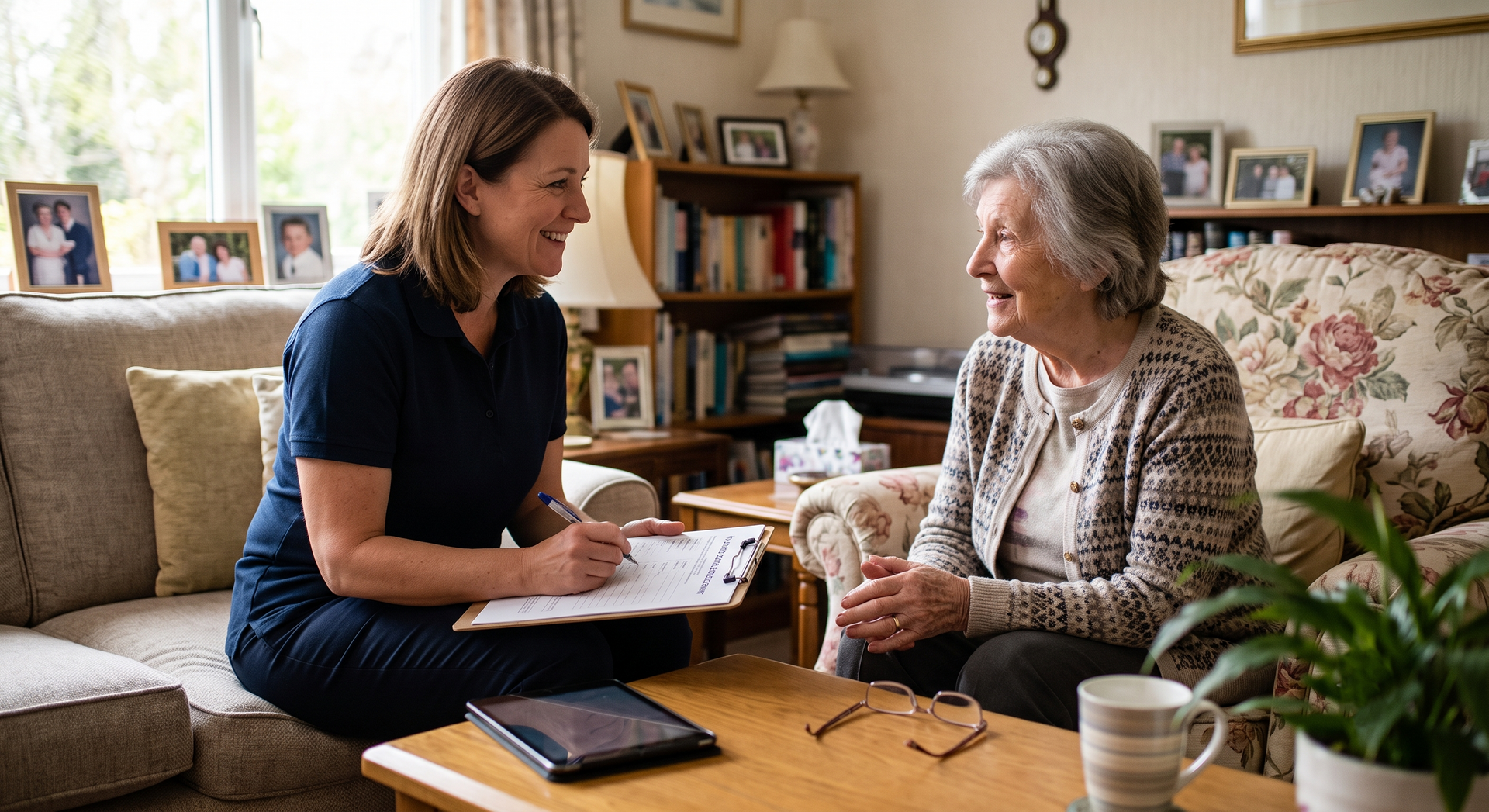
Bridge Senior Care offers home safety evaluations during initial consultations to identify specific risks.
4. Prioritize Activities That Stimulate and Calm
Mental stimulation and physical activity can slow cognitive decline and improve mood, but overdoing it can cause agitation. Aim for balance.
Recommended activities:
- Listening to music
- Folding laundry
- Sorting photos
- Watering plants
- Going for short walks
- Playing card or memory games
We tailor activities to each client’s stage of dementia, interests, and daily rhythm.
5. Learn How to Manage Common Behaviors
Alzheimer’s can trigger challenging behaviors like aggression, repetition, wandering, and sundowning. Learning how to respond, not react is key.
Try this approach:
- Stay calm and speak softly
- Validate their emotions
- Redirect the conversation or activity
- Avoid confrontation
- Give them a safe task to focus on
Caregiver burnout often stems from not knowing how to handle these behaviors—which is why training and support are so important.
6. Don’t Try to Do It Alone
Even the most dedicated family caregiver needs help. Burnout can lead to mistakes, health problems, and resentment. Don’t wait until you’re overwhelmed to ask for support.
Your options include:
- In-home respite care
- Companion visits
- Adult day care
- Overnight supervision
- Long-term care planning assistance
Bridge Senior Care provides part-time, full-time, and 24/7 Alzheimer’s care, with caregivers trained in dementia support techniques.
7. Plan for the Future—Now
Alzheimer’s is progressive. As your loved one’s condition changes, so will their care needs. Planning ahead reduces stress and ensures the right care is in place when it’s needed most.
Important considerations:
- Legal and financial planning
- Long-term care insurance claims
- Health care directives
- Home modifications
- When to introduce personal care or 24-hour supervision
We offer free planning consultations to help families explore options before a crisis occurs.
[Schedule a consultation –
https://www.bridgeseniorcare.com/contact]